


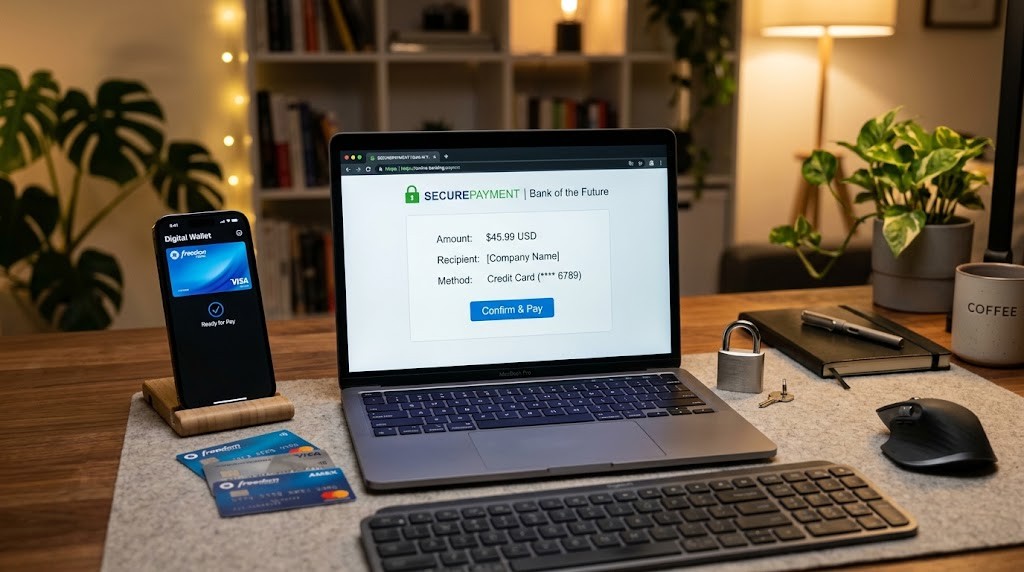
Selecting an appropriate deposit and withdrawal channel is a critical step in managing online gaming funds. Modern online gambling platforms support a wide range of financial channels, each operating under distinct processing timelines, fee structures, and security protocols. Understanding how these financial pipelines work ensures smoother transactions, better control over personal data, and faster access to payouts.
The Infrastructure Behind iGaming Financial Transactions
Online casino transactions rely on payment gateways that bridge a player’s personal bank or digital wallet with the merchant account of the gaming operator. When a deposit is initiated, the payment processor encrypts the transaction details using Transport Layer Security (TLS) or 128/256-bit Secure Sockets Layer (SSL) encryption, preventing third parties from intercepting sensitive banking credentials.
Beyond encryption, transaction approval speeds depend on authorization protocols:
- Direct Bank Clearing: Requires verification through intermediary banking networks (such as ACH or SWIFT), which delays clearing times.
- Tokenized Gateways: Replaces direct card details with randomly generated identifiers, accelerating real-time authorization without exposing bank account data.
- Blockchain Verification: Relies on decentralized consensus mechanisms to validate ledger entries, removing standard banking intermediaries entirely.
Comparing Mainstream Digital Banking Channels
+————————–+———————–+———————–+————————–+
| Payment Category | Average Deposit Speed | Average Payout Speed | Primary Advantage |
+————————–+———————–+———————–+————————–+
| Debit/Credit Cards | Instant | 1 to 3 Business Days | Widespread Availability |
| E-Wallets | Instant | Within 24 Hours | High Privacy & Speed |
| Bank Transfers | Instant to 24 Hours | 3 to 7 Business Days | Large Transaction Limits |
| Prepaid Cards & Vouchers | Instant | N/A (Deposit Only) | Expense Control |
| Cryptocurrencies | 10 to 30 Minutes | Instant to 2 Hours | Anonymity & Low Fees |
+————————–+———————–+———————–+————————–+
Traditional Card Networks
Debit and credit cards remain the most widely available banking options across licensed platforms. Transactions processed through major card issuers offer robust consumer protection and fraud monitoring. However, card issuers occasionally decline gambling-related transactions under specific merchant category codes (MCC 7995), and withdrawals to credit cards are often restricted by card network rules.
Digital Wallets
E-wallets serve as a protective layer between a primary bank account and the casino operator. By funding the e-wallet via bank transfer or card, users can deposit and withdraw at casinos without sharing direct banking numbers with the gaming site. E-wallets consistently yield the fastest payout processing among fiat currency options.
Direct Wire Transfers and Open Banking
For high-value transfers, direct bank transfers and modern open banking services offer high transaction limits. Open banking leverages Secure Application Programming Interfaces (APIs) to authenticate payments directly through a user’s native banking application, eliminating manual entry of routing and account numbers while maintaining strict regulatory compliance.
Prepaid Vouchers
Prepaid cards and code-based vouchers provide maximum privacy for deposits. Purchased with cash or electronic funds at retail points or digital storefronts, these vouchers utilize a unique PIN to transfer money. Their primary limitation is their one-way nature: payouts cannot be routed back to a voucher, requiring an alternative method for withdrawals.
Blockchain Protocols
Cryptocurrency networks process payments via public distributed ledgers. Payments bypass central banking clearinghouses, minimizing transaction fees and enabling swift international settlement. Payout speeds are primarily governed by network traffic and the required number of block confirmations rather than business days or banking hours.
Regulatory Verification and KYC Frameworks
A core element influencing payment speeds is compliance with Know Your Customer (KYC) and Anti-Money Laundering (AML) mandates. Financial regulators mandate that licensed operators verify a user’s identity before executing withdrawals.
[Account Registration] ➔ [Document Submission (ID, Proof of Address)] ➔ [Verification Check] ➔ [Withdrawal Approval]
Standard identity checks require users to submit:
- Government-Issued Photo ID: Passport, driver’s license, or national identity card.
- Proof of Residence: Utility bill or official bank statement issued within the last 90 days.
- Payment Method Ownership: A screenshot of the e-wallet dashboard or a photo of the debit card showing the holder’s name (with mid-digits obscured for security).
Failing to complete identity verification before submitting a cashout request is the leading cause of withdrawal delays across all financial channels.
Fee Structures and FX Conversions
While many online casinos absorb processing costs, third-party payment providers may impose transaction fees. Understanding these costs prevents unexpected deductions from account balances.
- Foreign Exchange (FX) Fees: Occur when depositing in a currency different from the base currency of the casino account. FX markups typically range between 1.5% and 3.5%.
- Inactivity Charges: E-wallet providers and prepaid cards may levy maintenance fees if accounts remain idle for extended periods.
- Blockchain Gas Fees: Crypto transactions incur variable network charges paid to miners or validators, which fluctuate based on network congestion.
Strategic Selection Criteria for Online Banking Options
Selecting the right transaction channel requires balancing convenience, speed, and privacy against personal requirements.
[Define Banking Needs]
│
┌─────────────────────────┴─────────────────────────┐
▼ ▼
[Priority: Fast Payouts] [Priority: Data Privacy]
│ │
├─► E-Wallets ├─► Prepaid Vouchers (Deposits)
└─► Cryptocurrencies └─► Cryptocurrencies
Key considerations include:
- Payout Velocity: Users seeking immediate access to funds should prioritize e-wallets or digital assets over traditional bank wires.
- Deposit vs. Cashout Compatibility: Ensure the selected deposit channel supports two-way transactions to avoid switching methods during cashout.
- Bonus Eligibility: Certain platforms exclude specific e-wallet deposits from promotional offers; review terms before funding an account.
- Transaction Boundaries: High rollers often require open banking or wire transfers due to higher single-transaction caps, whereas casual users may prefer low minimum thresholds offered by e-wallets or debit cards.
Frequently Asked Questions
- Can I withdraw funds using a different payment method than the one I used to deposit? Most regulated operators enforce a closed-loop policy requiring withdrawals to be returned to the original payment source up to the deposited amount. This policy helps prevent money laundering. If your deposit method does not support withdrawals (such as a prepaid voucher), you will be asked to verify an alternative bank account or e-wallet.
- Why do bank transfer withdrawals take longer than e-wallet cashouts? Bank transfers must pass through several clearing steps, including internal compliance checks at both the sending and receiving banks, batch clearing processes, and interbank settlement periods. E-wallet transfers, by contrast, occur within proprietary digital networks, eliminating these institutional delays.
- Are there daily limits on how much I can deposit or withdraw? Yes. Operators set minimum and maximum transaction limits per day, week, or month. Additionally, payment processors themselves impose default account limits, which can often be increased by completing higher tiers of identity verification.
- What happens if a deposit is deducted from my bank but does not appear in my casino balance? This situation usually stems from a temporary communication delay between the payment gateway and the merchant system. Unsettled transactions are generally held in a pending state and either clear automatically within a few hours or reverse back to the source account within 3 to 5 business days.
- How do chargebacks work for online gaming transactions? Initiating a chargeback on a legitimate online casino transaction is treated as a breach of contract by operators. Doing so usually leads to immediate account suspension, forfeiture of remaining balances, and inclusion on industry-wide fraud prevention databases.
- Does using cryptocurrency for transactions eliminate the need for identity verification? While crypto transactions are pseudonymous on the blockchain, licensed online casinos are still legally bound by AML regulations. Most platforms require identity verification before authorizing withdrawals, regardless of whether the payout is in fiat currency or digital assets.
